
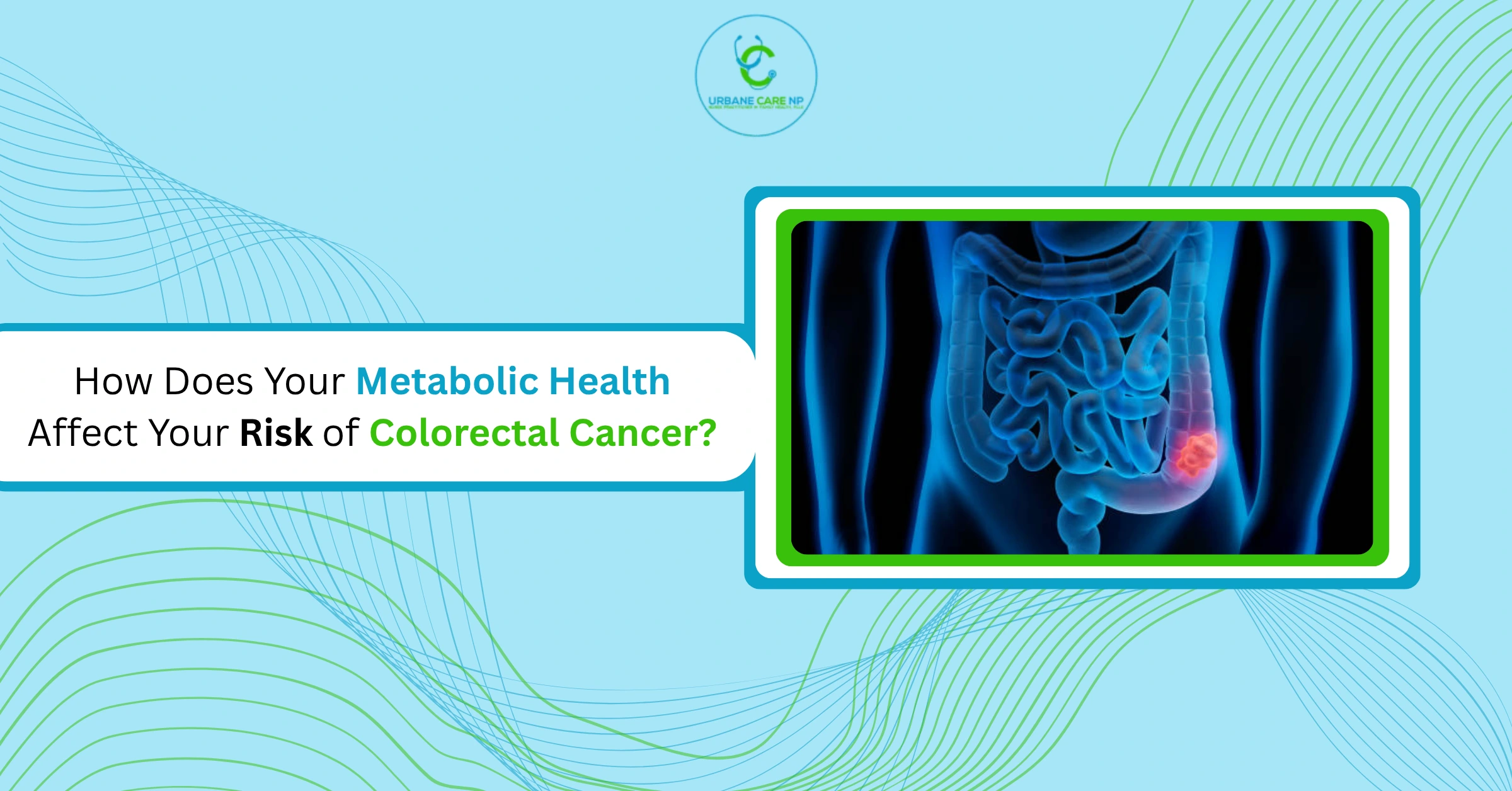
Metabolism pertains to how the body utilizes energy. When you have good metabolic health, your body will be in a better position to manage sugar, fat, and blood flow, which are essential components of cardiometabolic and cardiovascular wellness. On the other hand, a body struggling with poor metabolism faces added stress over time.
An unhealthy metabolism can increase the risk of health issues. Colorectal cancer starts in the colon or rectum. Regular check-ups and healthy habits are crucial.
What Is Metabolic Health?
Metabolic health means your body is working well and in balance. It incorporates such things as:
- Blood sugar
- Blood pressure
- Cholesterol
- Weight
- How well your body utilizes insulin
When these markers are within a healthy range, the body functions optimally. Otherwise, the body can remain in a stressed state. With time, that stress may influence most of the body. An individual might appear healthy on the outside while experiencing metabolic dysfunction internally. Being aware of low metabolism symptoms, such as chronic fatigue or unexplained weight changes, is the reason why frequent examinations are important.
How Poor Metabolic Health Can Raise Cancer Risk
Change of body due to poor metabolic health has the potential to raise the chances of developing colorectal cancer. Such alterations do not imply that one will acquire cancer. They do not mean that the risk cannot increase.
Big issues are:
- High blood sugar
- Insulin resistance
- Body fat, especially in the belly
- Ongoing inflammation
- High cholesterol
These issues may impact body cells. The cells, in the case of prolonged stress, fail to work as they are supposed to. This will create an opportunity to build an environment in which cancer can develop more readily.
The Link Between Insulin and Colorectal Cancer
Insulin helps move sugar from the blood into the body’s cells. When the body becomes less sensitive to insulin, a condition known as insulin resistance occurs. Then the body may make more insulin to try to keep blood sugar normal.
High insulin levels for a long time may be linked to a higher risk of colorectal cancer. This may happen because insulin can affect cell growth. It may also affect inflammation in the body.
Signs of insulin problems can include:
- Tiredness after eating
- Strong sugar cravings
- Weight gain around the waist
- Feeling hungry often
These signs do not always mean a person has insulin resistance, but they are worth checking.
Why Inflammation Matters
Inflammation is the body’s mechanism of combating damage. Not much inflammation is pathological. However, long-term inflammation may damage normal tissue.
One way poor metabolic health raises colorectal cancer risks is through long-term inflammation. It is able to influence the lining of the colon; for example, the relationship between colitis and colon cancer risk shows how chronic irritation can cause the body to have difficulty maintaining balance.
Things that can cause more inflammation are:
- Unhealthy eating habits
- Low movement
- Excessive body fat
- High blood sugar
- Lack of sufficient sleep.
Minor daily changes can be used to reduce inflammation in the long run.
Healthy Habits That Support Metabolic Health
Good metabolic health does not come from one big change. It comes from many small steps done often.
Helpful habits include:
- Eating more fruits and vegetables
- Choosing whole grains
- Drinking enough water
- Moving the body each day
- Getting enough sleep
- Lowering stress when possible
- Keeping up with checkups
These steps may help the body use sugar better and may support colon health too.
Foods That May Help
Food plays a big role in metabolic health. A simple eating plan can make a real difference.
Try to add more of these:
- Beans
- Leafy greens
- Berries
- Oats
- Brown rice
- Fish
- Nuts and seeds
Try to limit too many of these:
- Sugary drinks
- Candy
- Fried foods
- Fast food
- Packaged snacks with lots of salt and sugar
No food plan needs to be perfect. The goal is steady progress.
Movement Helps More Than You May Think
Exercise helps the body use insulin better. It can also support a healthy weight, lower inflammation and improve energy.
Good forms of movement include:
- Walking
- Light jogging
- Swimming
- Dancing
- Stretching
- Strength training
Even a short walk after meals can help. What matters most is doing something often.
Why Regular Checkups Matter
Many metabolic problems do not cause pain at first. That is why checkups are so important. A doctor can look at blood sugar, blood pressure, weight, and cholesterol. During these reviews, patients often ask about the link between cancer and high cholesterol. Conversely, some may worry and ask, “Is low cholesterol a sign of cancer?” A provider can assist you in interpreting these results within the framework of your overall health.
Early care may help lower the chance of serious illness later. It can also help people make changes before health problems grow worse.
At Urbane Health Care, we use patient education as part of care. We want people to understand what is happening in their bodies and what steps can help them feel better.
When To Talk to A Health Care Provider
It is a good idea to talk to a provider if you have:
- A family history of colorectal cancer
- High blood sugar
- High blood pressure
- Extra belly fat
- Low energy
- Trouble losing weight
- Ongoing stomach problems
You should also ask about colorectal cancer screening based on your age and risk level. Screening can help find problems early, even before symptoms start.
How Urbane Health Care Supports Better Health
We know each person’s health story is different. That is why our care is personal. Dr. Omotara J. Adewale created Urbane Health Care to make health care more accessible and more caring.
We focus on:
- Metabolic and hormone optimization
- Primary and functional care
- Cancer survivorship and recovery
- Veteran evaluations
- Education that helps people take charge of their health
Our goal is to help families and veterans build healthier lives with support they can trust.
Final Thoughts
There are ways your metabolic health can influence your risk of colorectal cancer. Such issues as elevated blood sugar, insulin resistance, excess fat on the body, and chronic inflammation can increase that risk. The positive aspect is that there are healthy habits and frequent care that may help.
Even small steps are important. Eat healthy. Move your body. Sleep enough. Handle stress. See a doctor often. These help you feel good.
Understanding your body helps you get the right treatment for long-term wellness.
FAQs
Q. What is colorectal cancer?
Colorectal cancer is a disease that starts in the colon or rectum.
Q. Can food affect my cancer risk?
Yes. Healthy food can help your body stay strong and lower your risk.


